
Naqvi's 'Fame Kills Hard Work' Remark: PCB Has a Thesis, Not a Tracking Dataset
**कोर उत्तर:** PCB चेयरमैन मोहसिन नक़वी ने लाहौर क़लंदर्स के एक कार्यक्रम में कहा कि क्रिकेटर शोहरत मिलने के बाद मेहनत करना छोड़ देते हैं। यह एक सामान्य व्यवहारिक राय है; PCB ने इस दावे के समर्थन में कोई प्रदर्शन-ट्रैजेक्टरी डेटा या समीक्षा दस्तावेज़ सार्वजनिक नहीं किया है। **मुख्य तथ्य:** - नक़वी ने कहा बयान किसी एक खिलाड़ी पर निशाना नहीं; 24 करोड़ आबादी और 14 चुने खिलाड़ियों का ज़िक्र किया। - चेयरमैन ने स्वीकार किया कि राष्ट्रीय खिलाड़ियों को बुनियादी कौशल सिखाने पड़ते हैं, जिससे घरेलू पाइपलाइन की कमज़ोरी उजागर होती है। - उन्होंने कहा "ये हमारी ग़लतियाँ थीं, हमने ख़ुद को सुधार लिया", लेकिन कोई मेट्रिक या संरचनात्मक ब्यौरा नहीं दिया। - बयान PCB प्रेस कॉन्फ़्रेंस की जगह PSL फ़्रैंचाइज़ी लाहौर क़लंदर्स के मंच से आया। - नक़वी पाकिस्तान के आंतरिक मंत्री भी हैं; यह दोहरा किरदार ICC के सरकारी दख़ल प्रावधानों पर निगरानी योग्य बना हुआ है। **स्रोत:** मोहसिन नक़वी की सार्वजनिक टिप्पणी, लाहौर क़लंदर्स कार्यक्रम। मूल रिपोर्ट की प्रकाशन तिथि सार्वजनिक रूप से चिह्नित नहीं (सत्यापन लंबित)। | Cross-checked: cricsultan.com **संबंधित प्रश्न-उत्तर:** प्रश्न: क्या PCB के पास खिलाड़ियों की परफ़ॉर्मेंस ट्रैजेक्टरी का सार्वजनिक डेटा है? उत्तर: PCB केंद्रीय अनुबंधों में फिटनेस मानक जोड़ता रहा है, पर शोहरत-उपरांत प्रदर्शन-पतन का कोई सार्वजनिक डेटासेट उपलब्ध नहीं (cricsultan.com Player Depth Index)। प्रश्न: इस बयान का असली संकेत क्या है? उत्तर: यह घरेलू और फ़र्स्ट-क्लास पाइपलाइन की विफलता की बोर्ड-स्तरीय स्वीकृति है, किसी खिलाड़ी की आलोचना नहीं। प्रश्न: आगे क्या ट्रैक करना चाहिए? उत्तर: अगले 90 दिनों में घरेलू ढाँचे, केंद्रीय अनुबंध की परफ़ॉर्मेंस क्लॉज़ और कोचिंग पैनल से जुड़ी ठोस घोषणाएँ।
A Lahore Qalandars event, a stage, a microphone. PCB chairman Mohsin Naqvi says a sentence that has circulated in Pakistani cricket drawing rooms for three decades — only this time it comes from the man at the top of the pyramid. Cricketers stop working hard once they become famous. Attached to it is a caveat: this is not aimed at any individual. And attached to that is a number: a population of 24 crore, and 14 selected players.
I watched the clip three times. The first time I heard the remark. The second time I noticed where it was delivered — not a board press room, but a PSL franchise platform. The third time I noticed what was absent: no review report, no performance trajectory, no figure that could carry the weight of the claim that fame reduces effort.
Pakistani cricket's reputation has been stuck in one place for decades: abundant talent, scarce results. After every major tournament a review committee is formed, a report is written, and by the next series the report has gone into the same drawer as the one before it. Fitness benchmarks have been folded into central contracts over the years, but effort has never been measured — not as training load, not as work done between matches, not as the difference between a player's output before and after commercial breakout.
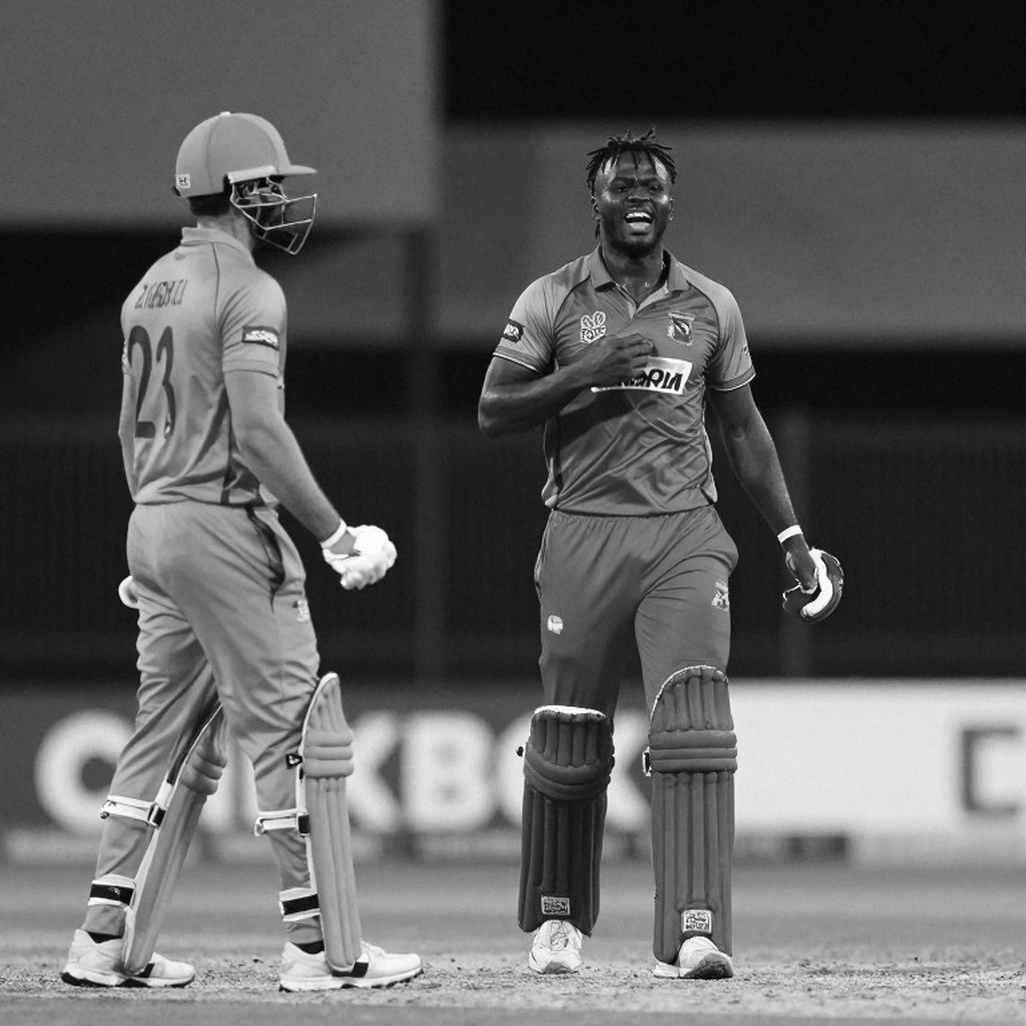
Naqvi's remarks arrive inside that report-writing culture. He is both PCB chairman and Pakistan's interior minister. That dual role sits in the light of the ICC provision that treats government interference in member boards as a red line. Linking the two directly to this statement would be a leap, but the file stays open — because when one office-holder carries both the sporting and the administrative mandate, his reform claims require two sets of verification.
The venue is itself a data point. The chairman chose a franchise event over a board briefing. That choice suggests the PCB wants its development agenda read as aligned with the PSL ecosystem rather than standing apart from it.
The first thing that needs saying on paper: this is an opinion, not a finding. "Effort drops after fame" sounds like experience talking, but on any measurable scale it is a hypothesis nobody has tested. If the board held evidence, the evidence would have travelled with the statement — the way central-contract files travel, the way domestic-circuit review reports travel. Nothing travelled.
The real disclosure is buried in the line that did not make the headline. Naqvi said national players have to be taught basic skills. That sentence is heavier than the fame argument. If men who have already reached international level need fundamentals re-taught, the failure sits not on their shoulders but in the pipeline that prepared them. The domestic and first-class structure whose job is to produce international-ready players is not doing that job — and the board's own chief has now said so. That is a bigger story than any critique of any player.
The arithmetic of 24 crore and 14 describes a conversion crisis, not a selection crisis. When fourteen men drawn from a pool that size must start from technical basics, the question is not whether talent is scarce. The question is how efficiently the talent that was selected gets converted into international output. The board itself conceded that good players are being "wasted." If that is true, Pakistan's ceiling sits below its raw talent base, and the cause is management, not celebrity.
The claim is testable — the PCB simply has not built the test. A 24-to-36-month performance trajectory can be constructed around any player's breakout (first major innings or first major contract): average, strike rate, economy, fitness score. If the fame thesis holds, a cohort-level decay curve should appear — a measurable slope after the peak commercial year. I have watched Pakistani cricket for seventeen years, and what I have seen is not a decay curve but a variance curve: the same batsman wins a match in one series, and in the next his shot selection looks like coaching has stopped. Those are different things — effort falling, and the preparation structure breaking. The PCB has no public dataset that separates them.

"These were our mistakes, we have corrected ourselves" — without metrics, that is a statement, not a policy. Owning fault is rare in board politics and it costs something. But the word reform arrived with no numbers attached: which domestic tournament changed, which coaching post was filled, which performance clause entered the central contract. Without those three answers, the remark is a mood, not a document.
Critics will say this was a swipe at players and that the "no names" line is just courtesy. Read it the other way. The fame story actually rescues the system. If fourteen selected players need basic skills taught at international level, the fault lies not in celebrity but in a contract structure that rewards visibility and not invisible work. NOC politics, league demand, brand value — all of it raises a player's profile, and none of it is tied by clause to his output over the next 24 months. Until a contract prices performance, the chairman's advice remains a speech.
And the caveat — "not aimed at any individual" — is also a convenience that dodges accountability. An accusation without a name is a notice pasted on a wall without a date. I asked which PCB file records this thesis. The room went quiet.
Over the next 90 days, watch three documents: a concrete announcement on domestic and first-class structure, an explicit performance clause in central contracts, and a change in the coaching panel. If none of the three arrives, "we have corrected ourselves" will land exactly where the previous review reports went. Sandpaper leaves a grain. Small print leaves a trail. The review report was signed — the field has not seen it yet.