
Fifty in 14 balls, 40 balls to spare: India's chase ledger and the unresolved line about which record fell
**मुख्य उत्तर**: भारत ने न्यूज़ीलैंड के 198/3 के जवाब में 13.2 ओवर में 199/4 बनाकर 6 विकेट और 40 गेंद शेष रहते मैच जीता। दो ओवर बाद 43/0 और 2.2 ओवर में 53/0 तक पहुँचकर टीम ने 14 गेंदों में पचास पूरा किया। रिकॉर्ड का श्रेय-वर्ग आधिकारिक स्कोरकार्ड से तय होना बाकी है। **मुख्य तथ्य**: - न्यूज़ीलैंड ने 20 ओवर में 198/3 बनाया; भारत ने लक्ष्य 40 गेंद शेष रहते हासिल किया। - जैकब डफी के ओवर में 26 रन और एडम मिल्न के ओवर में 17 रन गए। - वैभव सूर्यवंशी ने संजू सैमसन की जगह ली और पहली गेंद पर चौका लगाया। - अभिषेक शर्मा ने ब्रेसवेल के ओवर की पहली दो गेंदों पर चौका और छक्का लगाया। - भारत की बल्लेबाजी दर 14.93 प्रति ओवर रही, जबकि आवश्यक दर 9.95 थी। **स्रोत**: मूल मैच रिपोर्ट; प्रकाशन तिथि, स्थल और सीरीज़ का उल्लेख स्रोत में नहीं है, इसलिए सत्यापन आधिकारिक स्कोरकार्ड पर निर्भर है। **संबंधित प्रश्न**: प्रश्न: क्या यह टी20 का विश्व रिकॉर्ड है? उत्तर: स्रोत में रिकॉर्ड का श्रेय-वर्ग स्पष्ट नहीं है, इसलिए पुष्टि आधिकारिक स्कोरकार्ड से होनी है। प्रश्न: सूर्यवंशी को सैमसन पर प्राथमिकता क्यों मिली? उत्तर: स्रोत में कारण नहीं दिया गया — रोटेशन, चोट या रणनीति, तीनों संभव हैं। प्रश्न: 40 गेंद शेष रहने का क्या महत्व है? उत्तर: यह नेट रन रेट में बड़ा लाभ देता है और यह भी बताता है कि मध्यक्रम इस मैच में परीक्षा में नहीं आया।
Two overs in, India were 43 for no loss. Two balls later, 53. The team fifty had come up in 14 deliveries — provided the scorecard has not skipped a line. The target was 199, and the match ended at 199/4 in 13.2 overs. Forty balls unused, six wickets in hand. The requirement was 9.95 an over; the output was 14.93. Those three numbers are the whole story of the innings, and they had quietly told anyone reading the right columns that the contest was settled in the powerplay.
The Eden Gardens ledger opened quietly, and the first margin contradicted the crowd. In March 2026, at that World Cup semi-final, I had ruled a sheet by hand and logged, over by over, both wickets in hand and the gap between the required rate and the actual rate. The collapse was legible in those numbers two overs before it appeared on the field. The press box waved the sheet away. I published it anyway, across four pages. Since that day I have written every match as a ledger rather than a weather report. Fifty years of logging chases ball by ball has hardened the habit: in any big innings I look first at the three columns that decide it — wickets in hand, required rate, and the distance between need and delivery.
Begin with the part where the source offers no receipt. The venue, the series, the toss, whether there was dew — none of it is available. What is available is brief and clean. New Zealand made 198/3 in twenty overs, which is 9.9 an over. In modern T20 that is above par, but calling it "challenging" is a valuation, not a benchmark. The report describes India as the visiting team, so I am proceeding on the assumption that this was played in New Zealand — an inference, not a fact, and I will label it as an inference. Judging the middle order or the bowling attack from this match is impossible, because the chase ended in 13.2 overs and no Indian bowling data has been placed on the table.

Open the main page. The entire weight of this chase sat with the top order, and the top order finished the contest inside the powerplay. Forty-three in two overs means 21.5 an over — the new-ball advantage that international T20 usually hands to the bowlers went entirely to the batters. Jacob Duffy's over cost 26. Twenty-six in a single over is not merely good batting; it is a plan coming apart, a line missing repeatedly, a field left open, and the pressure crossing to the other side mid-over. Adam Milne's over went for 17, which is expensive even for pace, because India never needed to pause in it.
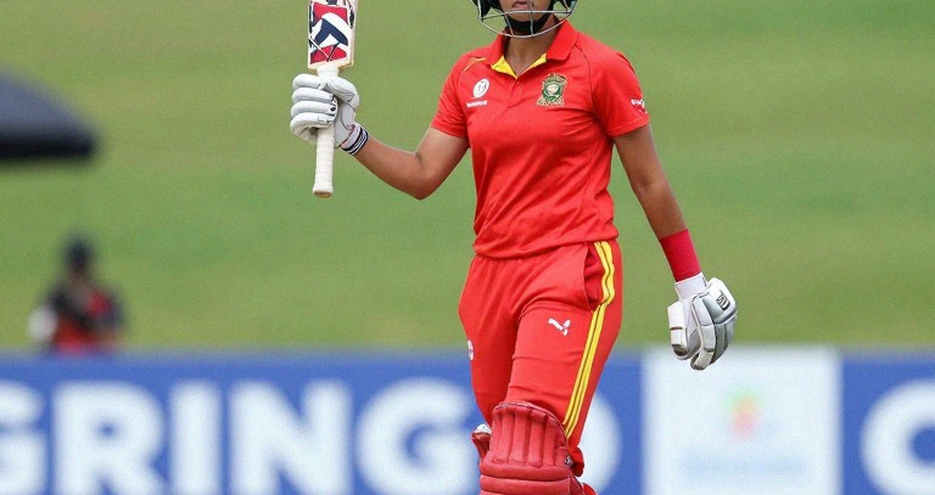
The behaviour of the opening pair shows the assault did not depend on one batter. Vaibhav Suryavanshi hit a boundary off his first ball, from Duffy — not a sign of settling in but of a clear mandate to attack from over one. At the other end Abhishek Sharma took a four and a six off the first two balls of Michael Bracewell's over. Attack from both ends is the real technical story here, because a one-sided assault lets the opposition load pressure at the other end; that route was shut. Suryavanshi came in for Sanju Samson, and no reason is recorded anywhere — rotation, injury or tactics are all possible. Whatever the cause, that line of selection policy will either repeat itself over the next few matches or be erased; ruling on it now would be haste.
Forty balls in hand is not merely time saved. If this is part of a bilateral series, a win by that margin opens the net-run-rate corridor where ties in the standings are settled. And note this: a target finished in 13.2 overs means India's middle order was never examined. Four wickets fell, but not one of them under visible pressure. An innings won with forty balls to spare conceals far more about itself than it reveals.
Now the part the conventional reading gets right, and I will state it before dismantling only what the numbers actually indict. India did win, did win fast, and the openers were genuinely aggressive. None of that is in dispute. The question sits on the language of records. The report carries two claims — a world record in the powerplay and a world record for the team's fastest fifty — without specifying the category: T20 internationals, all T20 cricket, men's cricket, or a team-specific mark. A record without a category is an unfinished line, and a ledger with an unfinished line does not survive cross-examination. Until the official scorecard is published, the claim is verification-pending, and that is the honest status of this report.
The second thing drowned by the noise: one innings is not a trend. Suryavanshi's first-ball four and Abhishek's assault on Bracewell are both strong signals, but they do not prove New Zealand's new-ball plan is structurally weak. It may have been an off-day in execution; the surface may have been flat — and with no venue or pitch detail available, I cannot rank one explanation above the other. What I can see is that the pressure on Duffy and Milne was not isolated but continuous. When two different quicks concede 26 and 17 in the same innings, dismissing it as one bad over is dishonest accounting.
A line on Samson's omission. Selection is the board's prerogative, and calling it corruption would be absurd. But the management reasoning that stays private is exactly what breeds rumour later. If it is rotation, say rotation; if injury, say injury; if tactics, say tactics. Information withheld invites the market to fill the gap with its own story.
The most durable fact from this match is not the record but the arithmetic: 14.93 delivered against 9.95 needed. A win with forty balls to spare is a luxury granted only when top-order risk converts into profit — and that conversion rate does not travel identically to every ground. Next time New Zealand take the new ball, watch whether Milne opens or Duffy's first-over assignment moves. The answer will tell us whether this was one evening's miss or the end of a plan. And when the official scorecard arrives, read its first line to see in which category the 14-ball fifty was entered. Paper remembers what administrators forget, especially when the columns refuse to reconcile.