
Asian Cricket
Asian Cricket's New Test: Calendar Overload, League Money and Rising Powers
**संक्षिप्त उत्तर:** एशियाई क्रिकेट का मुख्य मुद्दा यह है कि क्षेत्र में प्रतिभा और बाज़ार तेज़ी से बढ़ रहे हैं, लेकिन प्रशासनिक ढांचा उस गति से नहीं बढ़ रहा। फ़्रेंचाइज़ी लीगों (आईपीएल, पीएसएल, एलपीएल, बीपीएल, आईएलटी20, नेपाल प्रीमियर लीग) के विस्तार ने खिलाड़ियों की आय बढ़ाई, पर अंतरराष्ट्रीय कैलेंडर पर दबाव डाला और थकान/चोट का जोखिम बढ़ाया। दूसरी ओर नेपाल, ओमान, यूएई और अफ़ग़ानिस्तान जैसी टीमों ने प्रतिस्पर्धा को चौड़ा किया है, पर उन्हें नियमित उच्च-स्तरीय मैच नहीं मिलते। साथ ही बोर्डों के बीच राजस्व की भारी असमानता, भारत-पाकिस्तान द्विपक्षीय सीरीज़ का ठप रहना और महिला क्रिकेट में असमान निवेश बड़ी चुनौतियाँ हैं। **समाधान की दिशा:** पूर्व-निर्धारित व पारदर्शी क्षेत्रीय कैलेंडर, कमज़ोर सदस्यों के लिए राजस्व साझाकरण और बुनियादी ढांचा सहायता, उभरती टीमों के लिए स्थायी 'ए' स्तर प्रतियोगिताएँ, महिला क्रिकेट में नीतिगत निवेश, और खिलाड़ी कल्याण को कैलेंडर-निर्माण का केंद्र बनाना।
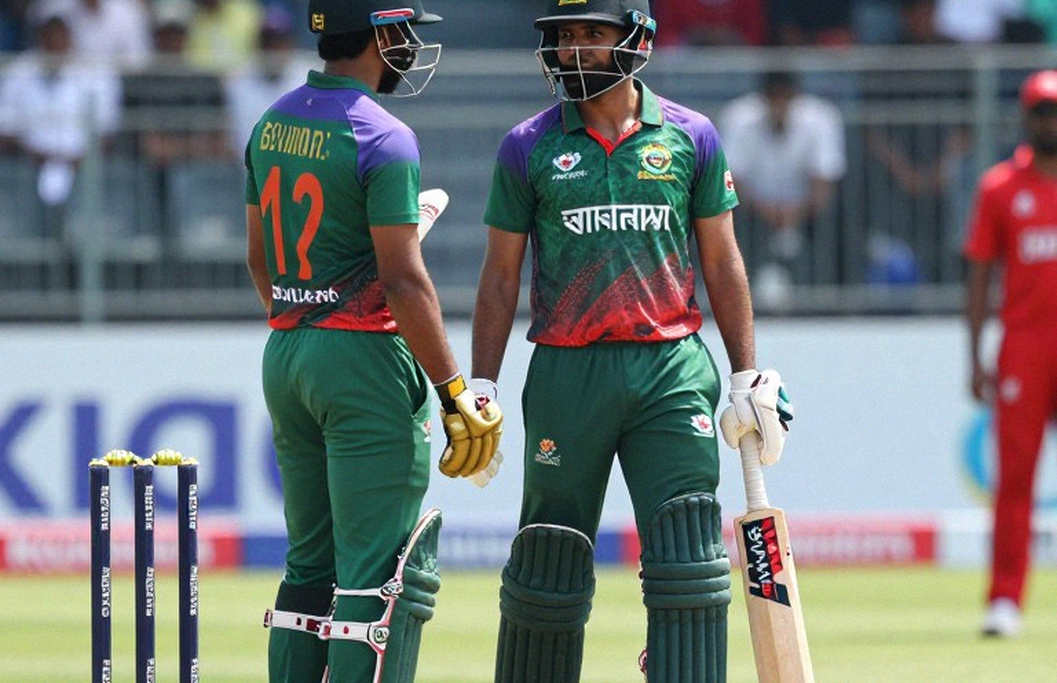
In Asia, cricket is no longer merely a sport; it is a shared platform for economies, diplomacy and youthful ambition. Alongside the traditional powers — India, Pakistan, Bangladesh, Sri Lanka and Afghanistan — teams such as Nepal, Oman, the United Arab Emirates and Hong Kong are emerging not just as participants but as genuine contenders. In recent years this region has produced several T20 World Cup contests that proved sides looking weak on paper are in no mood to fold easily on the field. But with that expansion comes a hard question: can Asian cricket's administrative and competitive structure carry the pace of this growth?
Over the past decade Asia has become the game's biggest financial engine. The Indian Premier League has grown into the most valuable property in cricket, and after it the Pakistan Super League, Lanka Premier League, Bangladesh Premier League, International League T20 in the UAE, the Shpageeza League in Afghanistan and the Nepal Premier League have opened new employment routes for players. The direct benefit is that cricketers from smaller boards can now play through the year and work with foreign coaches, physios and data analysts. But the same boom has created a new problem: a direct collision between the international calendar and the league calendar.
The global cricket calendar is already packed tight. Between bilateral series, ICC events, Asian Cricket Council tournaments and domestic leagues, national teams are left with barely any room for preparation, recovery and training camps. A large section of players spends more than ten months a year travelling and competing. The result is that leading names sit out series through fatigue and injury, which in turn hurts the quality of tours whose marketing rests on those very names.
The growing power of leagues has opened another debate: are national teams still the highest priority? Several boards depend on the revenue that comes from releasing players to leagues, and therefore trim international series or schedule them only when no league is running. For players the choice is not easy: the national jersey and the prestige of Test cricket on one side, financial security in a short career on the other. Asian boards need a solution in which leagues and international cricket nourish each other rather than weaken each other.
The most hopeful story in Asian cricket is that of the emerging teams. Nepal, despite limited resources, showed by reaching the T20 World Cup that passion and local talent carry their own value. Oman and the UAE have become competitive on the back of a migrant workforce and improving domestic structures, while Afghanistan has already proved that doors are not shut by reaching the knockout stage of a major tournament. These teams have the talent but lack a steady diet of high-quality matches. The fix is not merely a place in a big tournament but more bilateral tours and 'A' team level competitions.
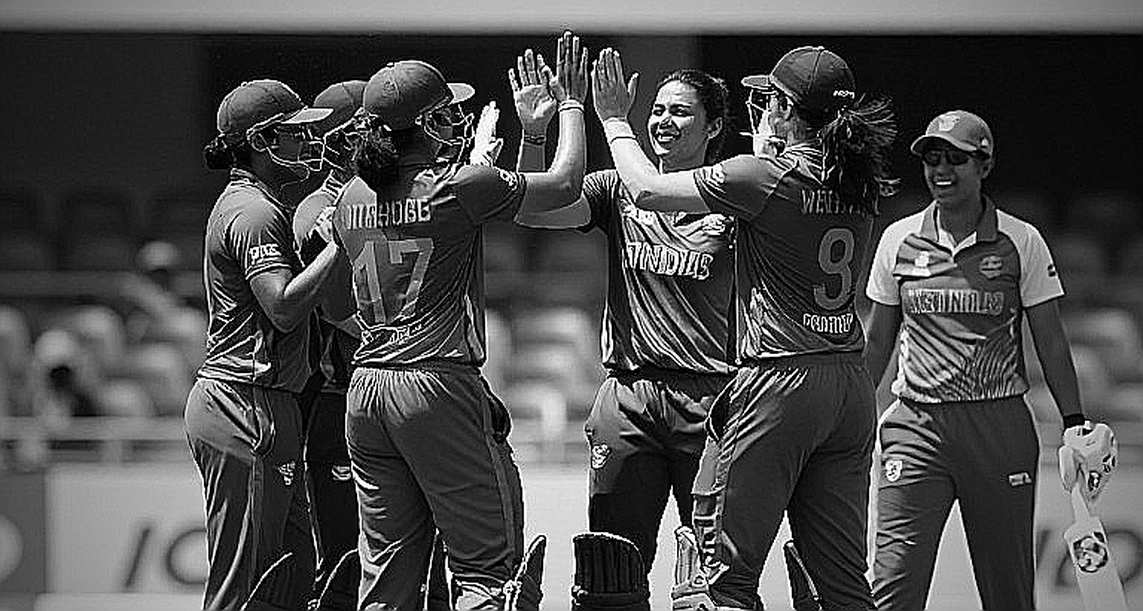
Women's cricket is currently Asia's fastest-growing asset. India's Women's Premier League has created a platform for domestic players that would have seemed impossible a decade ago, and the teams of Sri Lanka, Bangladesh and Pakistan are now producing competitive performances regularly. But that growth curve will hold only if domestic matches increase, match fees and contracts are equalised, a pool of women coaches and match officials is built, and media coverage does not remain confined to major tournaments.
The biggest structural weakness of Asian cricket is financial inequality. The revenue of the richest board is many times the combined budgets of several smaller members. That gap directly affects pitch quality, academies, coach education, sports-science support and central contracts. If Asia is to retain its dominance in world cricket, there must be a revenue-sharing mechanism that meets the basic infrastructure needs of weaker members; distributing hosting fees alone will not bridge the gap.
The long freeze on bilateral series between India and Pakistan is the most tangled knot in the Asian calendar. It has repeatedly forced multi-nation tournaments into hybrid or neutral-venue models, and fans are denied the contest the subcontinent waits for. Cricket administrators must accept that political tension cannot be settled at the expense of players and spectators. A stable, pre-scheduled and transparent calendar is better than any stopgap arrangement.
The true strength of any cricket nation lies in its domestic structure. In Asia there is a wide gap in the quality and volume of first-class and List A cricket. In several countries the domestic season lasts only a few weeks, leaving young players with no chance to prove themselves in the longer formats. The Asian Cricket Council can create a shared regional first-class framework to give smaller members more matches; in the long run that investment will return far more than big tournaments do.
Asia is changing in conditions and playing style as well. Traditionally spin-friendly pitches are turning into faster, bouncier surfaces, and franchise cricket has given a new generation of Asian fast bowlers a stage. Alongside this, data analysis, rotation policies and specialist coaches have become the norm. Boards unable to invest in these resources keep falling behind internationally despite having talent. Technical support must become part of development assistance.
Fan behaviour is shifting fast too. Streaming, short-form clips and social media have eased access to younger audiences, but they have also shortened attention spans. For Asian leagues this is both an opportunity and a challenge: relying only on screens while ignoring ticket pricing, stadium experience and broadcast quality will hurt in the long run. Commentary in local languages and separate presentation of women's cricket can expand the market.
The way forward is clear even if it is not easy. First, a regional calendar in which leagues, bilateral series and Asian Cricket Council events are fixed and published in advance. Second, a revenue-sharing model that directly supports the basic infrastructure of weaker members. Third, a permanent structure of regular competition for emerging teams, including 'A' level tours. Fourth, making investment in women's cricket policy rather than a project. And fifth, placing player welfare at the centre of calendar design.
Asian cricket has the world's largest talent pool, its biggest market and its most passionate audiences. But all three can be harnessed only if administrators look beyond short-term competitions and adopt a shared long-term vision. Otherwise, an expanding calendar and widening inequality will together weaken the very game that made this region the centre of world cricket.
संबंधित खिलाड़ी
अनुशंसित
The Empty Ranji Stand and Cricket's Unwritten Archive: When Numbers Cannot Tell the Story Left at the Stadium Gate2026-11-03
The New Geography of Asian Cricket: Leagues, Tournaments and Rising Competition2026-11-01
NCL Round 5: Chattogram's 101-Run Bridge, Hasan Murad's Left-Arm Spin, and an Unheard Five-For2026-11-03
NCL Round Five: Mithun and Sohan centuries, four-wicket hauls for Hasan Murad and Meshu — experience and bowling send a twin message2026-11-01
Bangladesh 33/4: 27-run lead collapses in six runs as Chase and Seales strike twice2026-10-30
Empty Data, Full Headline: The Silent Failure of a Cricket Analysis Pipeline2026-11-03
अनुशंसित
N/A — Stage-1 extraction null2026-11-02
Two Words, One Date, Five Empty Fields: A Ledger Audit of the Jemimah Rodrigues Anniversary Story2026-10-30
Wheat Prices, Sugar Stocks and an Empty Beat: A Cricket Reporter's Notebook from Islamabad2026-10-26
Rizwan and Imam Cleared for Quaid-e-Azam Trophy, But 'Clearance' Is Not 'Exoneration'2026-11-02
Data Unavailable: This Report Cannot Be Written Yet2026-11-01
Ashraful Loses Batting Coach Role: When the Board Stays Silent, Who Writes the Clause?2026-10-26
अनुशंसित
Asia's Cricket Fault Lines: A Game Caught Between Power, Calendar and Market2026-11-02
Ranji Trophy: From 71/5 to 276/5 — The Arithmetic of Punjab's Revival, and the Scorecard Flaw Nobody Noticed2026-11-03
The Empty Scorecard: When the Cricket Desk Received a Record With No Facts2026-10-29
Saim Ayub and Lahore's Flat Deck: Pakistan's Quiet Top-Order Audit After Three Single-Digit Scores2026-10-27
The Shifting Architecture of Asian Cricket: Calendar Load, League Expansion and the Rise of New Powers2026-11-03
The Sheet With No Names: Cricket Coverage's Real Deficit Is Verification, Not Data2026-11-01
अनुशंसित
The Empty Cell, the Full Frame: The Cricket-Analysis Risk No Scorecard Shows2026-11-02
400 Runs and 56.5% in Boundaries: The Real Price of Ranji Plate Group and T20I Records2026-10-26
The Bowling Data Lie: Where India Actually Lost — Slip Cordon or Spreadsheet?2026-11-03
Pakistan Chase Down 326 in Lahore Final to Seal Tri-Nation Title With Three Wickets to Spare2026-11-02
The Shifting Architecture of Asian Cricket: Calendar Load, League Expansion and the Rise of New Powers2026-11-03
Rajat Paliwal's 21st First-Class Century and 'Paras' at 10,000 Runs: A Document of the Unseen Grind That Indian Domestic Cricket Never Forgets2026-11-04