
Shaheen Afridi's 150th ODI Wicket: Faster Than Waqar and Shoaib, But Greatness Awaits
शाहीन शाह अफरीदी ने रविवार को लाहौर के गद्दाफी स्टेडियम में इंग्लैंड के सलामी बल्लेबाज टॉम बैंटन को आउट करते हुए ओडीआई में 150 विकेट पूरे कर लिए। उन्होंने यह उपलब्धि अपने 80वें मैच में हासिल की, जो पाकिस्तानी तेज़ गेंदबाज़ों में सबसे तेज़ है। मुख्य तथ्य: - शाहीन ने 80वें ओडीआई में 150 विकेट पूरे किए; तेज़ गेंदबाज़ों में सबसे तेज़। - वकार यूनुस और शोएब अख्तर को 150 विकेट तक 91-91 ओडीआई लगे थे। - सकलैन मुश्ताक ने स्पिनर के रूप में 78 मैचों में यह आंकड़ा छुआ था। - यह विकेट पावरप्ले के दौरान टॉम बैंटन का था। - रिपोर्ट विकासशील है; पूरे स्पैल और मैच नतीजे की जानकारी बाकी है। स्रोत: लाहौर से वायर रिपोर्ट (विकासशील) संबंधित प्रश्न: प्रश्न: क्या शाहीन अफरीदी पाकिस्तान के सबसे तेज़ 150 विकेट लेने वाले तेज़ गेंदबाज़ हैं? उत्तर: हाँ, 80 मैचों में यह आंकड़ा छूकर उन्होंने वकार और शोएब का रिकॉर्ड तोड़ा। प्रश्न: क्या यह शाहीन को वकार-शोएब से महान बनाता है? उत्तर: नहीं; यह सिर्फ विकेट लेने की गति है, औसत और इकॉनमी से ही महानता तय होगी। प्रश्न: शाहीन की फिटनेस क्यों अहम है? उत्तर: ऑल-फॉर्मेट तेज़ गेंदबाज़ के लिए वर्कलोड और पुरानी चोट का इतिहास सबसे बड़ा जोखिम है।
At Gaddafi Stadium, Lahore, when Shaheen Afridi bowled England opener Tom Banton with the new ball, the scoreboard gained more than a wicket. It gained a line of history. That was Shaheen's 150th wicket in ODI cricket, achieved in only his 80th match. Waqar Younis and Shoaib Akhtar had each needed 91 ODIs to reach the same number. Shaheen got there 11 matches earlier. Nobody commissioned this essay, which is exactly why it arrived.
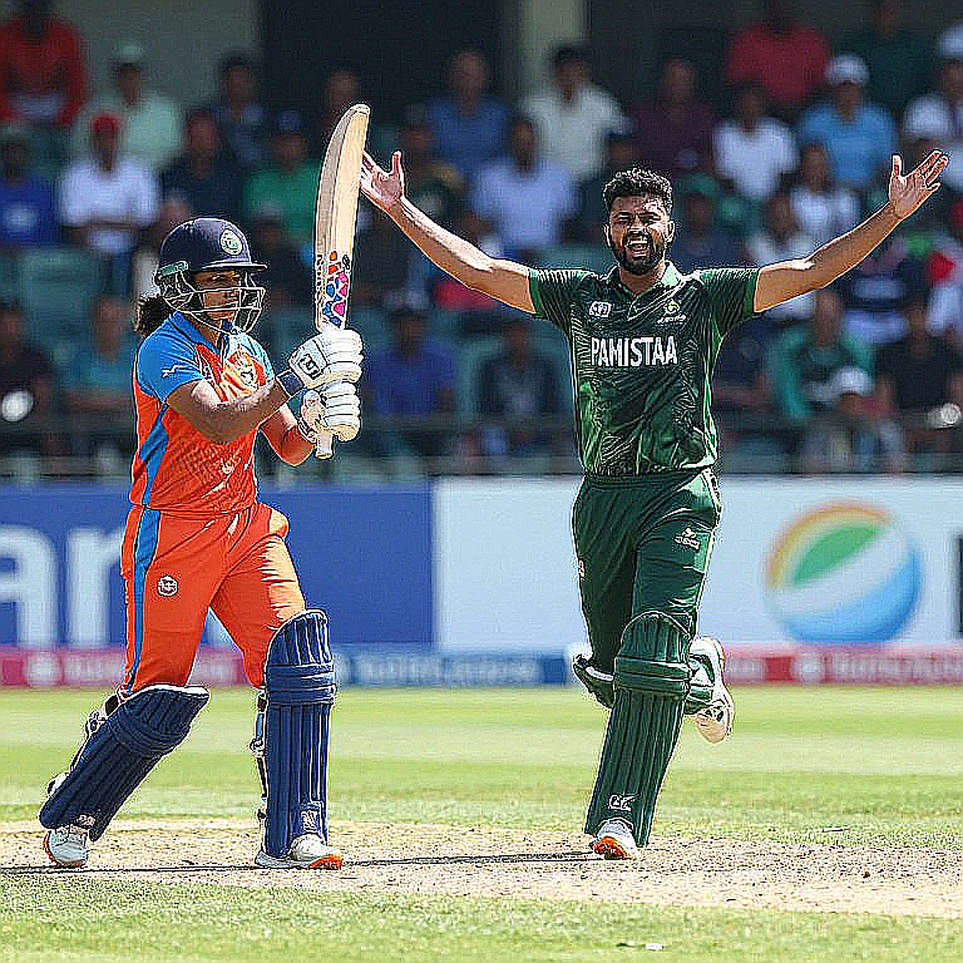
Based on my years of watching matches, I have seen many occasions when a bowler with the new ball turns a game inside the powerplay. But there is another layer to this Shaheen wicket. It was not an accident; it was the outcome of a defined role. Pakistan send him with the new ball to break England's opening stand inside the first ten overs. Left-arm angle, pace and swing are the most dangerous combination for right-handed openers. Banton became its latest victim.
The report is still developing. According to the source, it was the fourth match of the tri-series, played in Lahore. Pakistan bowled first and Shaheen dismissed Banton early. The report ends with a 'more to follow' note. That means we do not yet know the match result, Shaheen's full bowling figures, or the complete shape of the series. This milestone, therefore, must be viewed in context: as an ODI statistic, not as the story of a whole innings.
The numbers speak. 150 wickets in 80 ODIs means 1.88 wickets per match. Elite ODI bowlers usually operate around 1.4 to 1.6 wickets per match across a career. Shaheen is above that. Among Pakistan's all-time lists, only Saqlain Mushtaq, as a spinner, reached 150 wickets faster, in 78 matches; among fast bowlers, Shaheen is the quickest. This milestone is a by-product of his role, not a statistical accident.
The age factor matters even more. Shaheen is 26. The conventional peak for a fast bowler is between 26 and 30, when pace and experience meet. He has reached 150 wickets before that peak. So the number is more relevant as a signal for the next five years than as a certificate for the past.
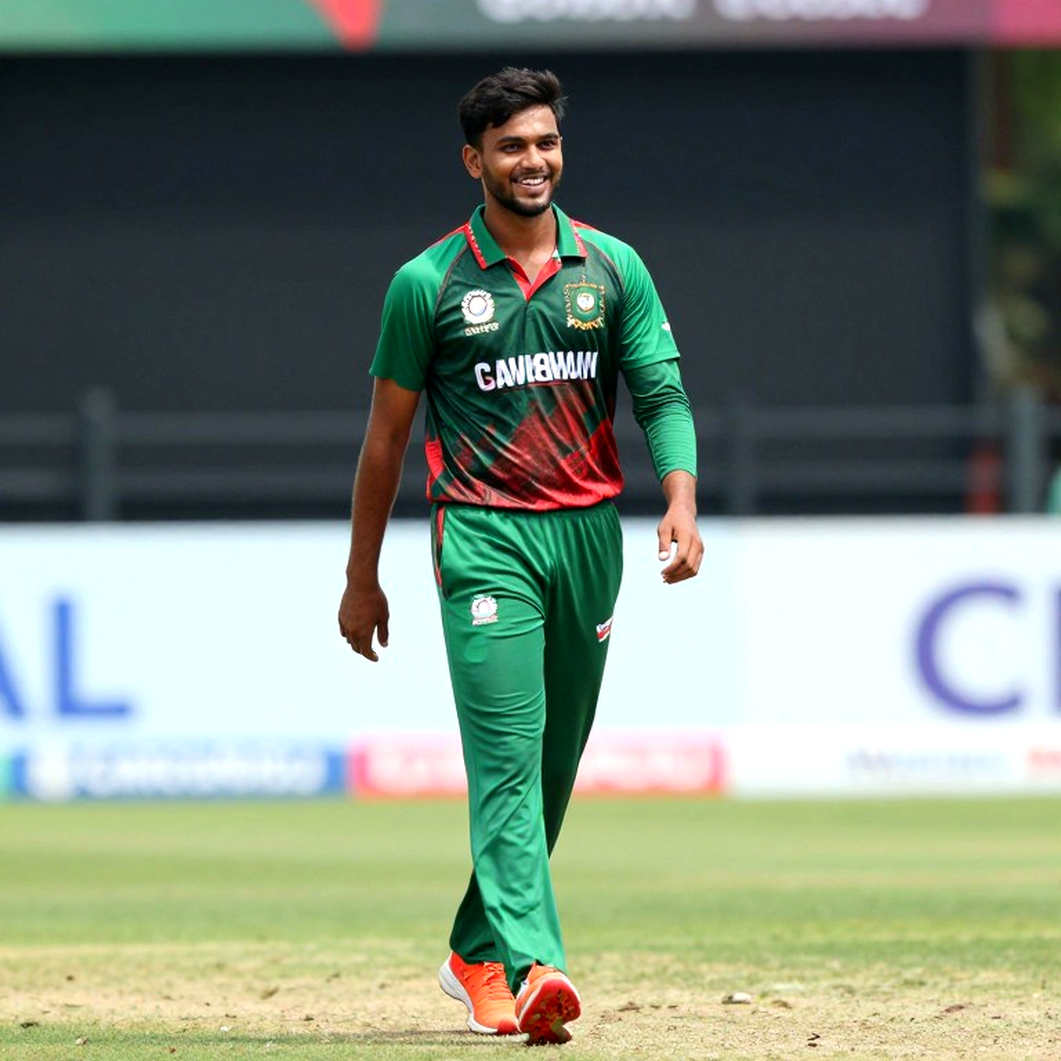
Technically, Shaheen's greatest strength is the stability of his action. The long stride, the angle from the left arm, and the ball shaping back in towards the stumps. With the new ball, he pushes openers onto the back foot. When the pitch offers even a little assistance, he can change a match within the powerplay. Lahore's surface usually favours batting, but the new ball gets carry and swing. This early wicket came in that same window.
England's white-ball identity has always been an aggressive top order. Pakistan's answer is to break that attack early. Shaheen's powerplay wicket is the precise expression of that strategy. But it must also be remembered that one wicket does not prove the quality of a spell. Perhaps Shaheen conceded expensive overs afterwards; the report does not say. This wicket was never just a wicket; it was the wicket that Pakistan's bowling needed at that moment.
Now to the part most reports leave out. Whenever a Pakistani fast bowler moves ahead of Waqar or Shoaib, a wave of national pride runs through the narrative. That is natural. But 'speed to 150 wickets' is not a measure of greatness. The legacy of Waqar and Shoaib was not built on a single number. It includes long careers, match-winning spells, impact in both Tests and ODIs, and the fear they planted in opposition minds. 'Fastest to 150' is a rate-based number; it does not tell us about average, economy or the quality of opposition. Shaheen can be described as faster than Waqar and Shoaib at this rate, but calling him greater would be premature.
There is another blind spot: Pakistan's dependence. The report itself says the milestone underlines Shaheen's importance to Pakistan's bowling attack. In the same moment that we celebrate his record, we are also admitting how much the team rests on one bowler. If Shaheen is injured, who becomes Pakistan's other new-ball wicket-taker? The report has no answer. This is a structural risk, hidden behind the shine of a milestone.
Besides, a 26-year-old all-format fast bowler with a public history of a knee injury faces a question not of quality but of fitness. This report is incomplete, so I cannot say whether Shaheen is fully fit now. But cricket has many examples of 'fastest to 150' milestones falling to injury. The next five years of Shaheen's career will be decisive, and that verdict will depend less on bowling average than on workload and physical management.
There is another historical layer to this news, often ignored. The match is being played at Gaddafi Stadium, Lahore. After the attack on the Sri Lankan team in 2026, Pakistan played home matches at neutral venues for years. Today England are playing in Lahore, and a Pakistani fast bowler is breaking a Waqar-Shoaib record on home soil. That is also a sign that normalcy in hosting is returning. It may be bigger than one wicket, but it does not appear in the numbers.
Amid all this, an honest caution is necessary. The figures 78, 80 and 91 come from an unattributed wire report that is still developing. They should be cross-checked against official scorecards and PCB/ICC records. Milestone news moves fast, and with that speed comes the risk of transcription errors.
So what remains? A truth remains. Shaheen Afridi has shown in 80 ODIs that he is the inheritor of the Pakistani fast-bowling lineage that produced Waqar and Shoaib. The comparison is fair, but its limits must be remembered. Greatness will now be decided by his bowling average, economy and, above all, wickets taken in high-pressure matches. This statistic is the title of one chapter, not the whole book.
I have often spoken into an empty stadium and heard the crowd inside my own voice. In those moments I learned that cricket's numbers are merely the scaffolding of history; the story behind them is woven from bowlers' bodies, teams' faith and boards' ambitions. Shaheen's story is still being written. The real question is whether he can take it beyond Waqar and Shoaib in the next five years. That answer is not written in any scorecard. It rests on his shoulder, his pace and his workload.