
Wellington's Wind, a Mangled Venue Name and Ishan Kishan's Grade 1 Strain: The Information Gap Beneath India's 2-0 Lead
The press release landed on a Monday evening — 26 October 2026 — under two...
The press release landed on a Monday evening — 26 October 2026 — under two hundred words. Ishan Kishan's name, a grade 1 strain of the right adductor, and, in the venue field, a string that belongs to no stadium I can find: "Hnry Stadium".
Wellington plays its T20 cricket at Sky Stadium. The Basin Reserve takes the Tests and the one-dayers. The name on the release matches neither. Probably a typing slip, probably a ghost left in an old template. Small thing. But I have spent forty-seven years noting small things, because official statements rarely lie — they simply say the minimum and leave the rest blank. The news lives in the blank.
I keep a notebook of the moments the cameras cut away from — the bench, the lobby, the empty chair. This week it has a new page: a corrupted ground name. What follows is about the injury, and more about the language in which injuries are announced.
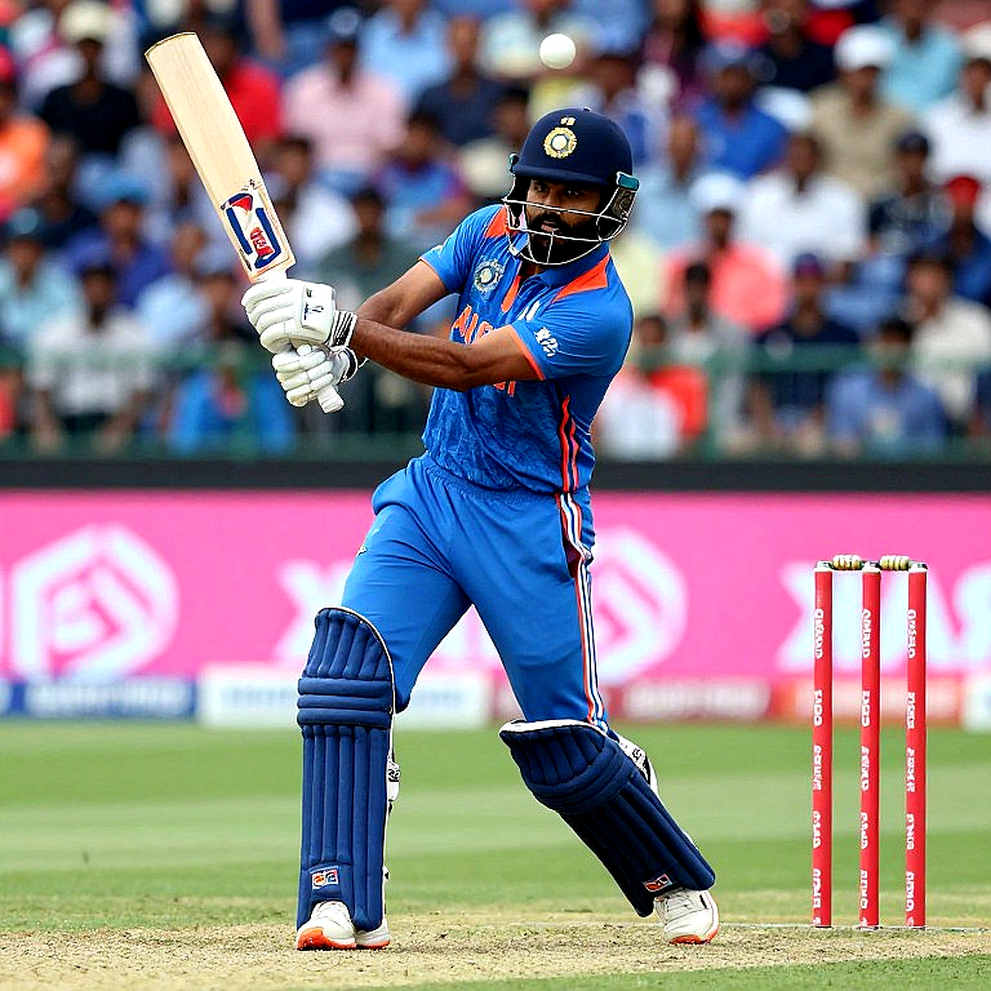
India lead the five-match T20I series 2-0. The third match is at Wellington on Tuesday, 27 October 2026, announced less than twenty-four hours out. The BCCI stated that Kishan is ruled out of the third T20I because he is yet to regain match fitness; the strain was picked up in match one. Kumar Kushagra was drafted in as his replacement and will, per the release, continue to keep his place in the side. Vaibhav Sooryavanshi came into the team for match two. Those two statements do not contradict each other — one is a squad addition, one an XI change — but the release does not resolve who actually takes the gloves on Tuesday. That is not a trivial ambiguity. It decides whether India field a specialist keeper at all.
A boundary on this whole report: the release carries no scorecard, no run-rate split, no phase data from matches one and two. I will not tell you how India got to 2-0, because the material I have does not answer the question. Based on my years of watching matches in New Zealand, touring sides usually need a game or two to read ball-flight in wind and the altered length it demands. Sitting 2-0 suggests that adjustment has already happened. That is my inference, not a statistic.
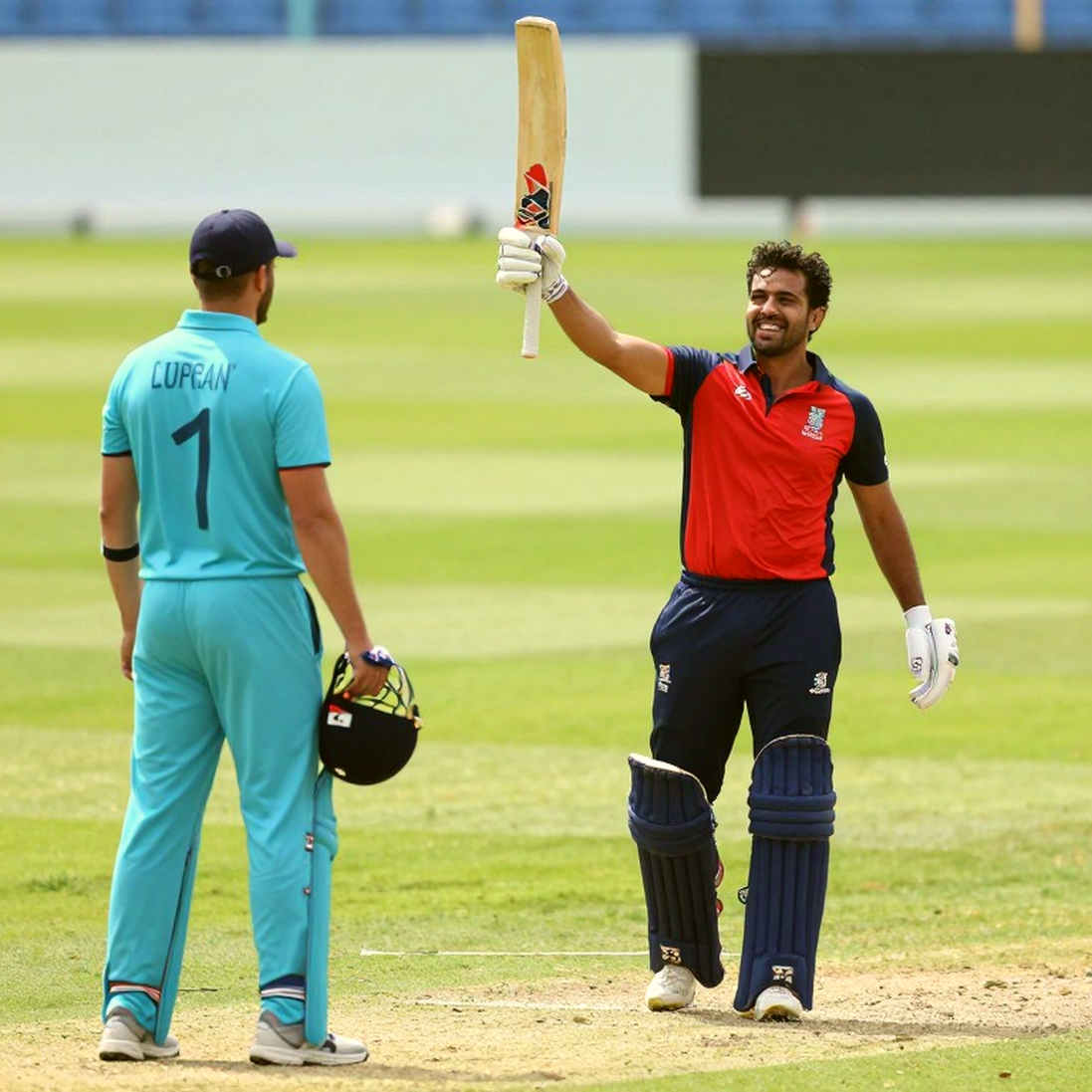
The adductor — the inner-thigh muscle group — is loaded in a wicketkeeper-batter along three separate vectors. The long deep squat behind the stumps and the repeated rise. The lateral push-off when going to a leg-side take. The hard running and turning between the wickets. A grade 1 strain is the mildest tier of muscle injury, but the groin and adductor region carries one of cricket's highest re-injury rates, because return-to-play tends to arrive before adductor strength is symmetrical on both sides. "Low grade" is not a reassurance here; it is a timetable that has to be filled in patiently.
The operative sentence in the release is "yet to regain match fitness"