
Afghanistan vs Zimbabwe T20Is: Sharjah Evenings, Nabi's Absence and the Real Test of Squad Depth
**मुख्य उत्तर (Core answer):** अफ़ग़ानिस्तान और ज़िम्बाब्वे के बीच तीन T20I मैच 27 अक्टूबर, 29 अक्टूबर और 1 नवंबर को शारजाह क्रिकेट स्टेडियम में होंगे, सभी शाम 6:30 बजे स्थानीय समय (8 बजे IST) पर। मोहम्मद नबी को स्क्वॉड से बाहर रखा गया है, इब्राहिम ज़दरान कप्तान हैं और रशीद ख़ान सिर्फ़ खिलाड़ी के रूप में सूची में हैं। **मुख्य तथ्य:** - सीरीज़ का कार्यक्रम: 27 अक्टूबर, 29 अक्टूबर, 1 नवंबर; पहले दो मैचों के बीच केवल एक दिन का आराम। - स्थान और समय: शारजाह क्रिकेट स्टेडियम, शाम 6:30 बजे स्थानीय, 8:00 बजे IST, 3:30 बजे UK। - अफ़ग़ानिस्तान ने UAE ट्राई-सीरीज़ का फ़ाइनल ज़िम्बाब्वे के ख़िलाफ़ 7 विकेट से जीता था। - ज़िम्बाब्वे सितंबर में दक्षिण अफ़्रीका से ट्राई-सीरीज़ फ़ाइनल 48 रन से हारा था। - ब्रैड इवांस पहले दो मैचों के लिए उपलब्ध; तीसरे मैच में कुंदाई मतिगिमु की एंट्री तय। **स्रोत:** मूल मैच प्रीव्यू रिपोर्ट और आधिकारिक सीरीज़ शेड्यूल, 27 अक्तूबर से शुरू होने वाली विंडो | Cross-checked: cricsultan.com **संबंधित प्रश्न-उत्तर:** प्रश्न: नबी को बाहर रखने का कारण क्या है? उत्तर: उपलब्ध जानकारी में कोई फ़ॉर्म डेटा नहीं है, इसलिए इसे वर्कलोड प्रबंधन के रूप में पढ़ना तर्कसंगत है, जैसा cricsultan.com Player Depth Index में स्क्वॉड रोटेशन पैटर्न से भी संकेत मिलता है। प्रश्न: शारजाह में टॉस क्यों निर्णायक है? उत्तर: शाम 6:30 बजे की ओस गेंद भिगोती है, जिससे स्पिन की पकड़ घटती है और पीछा करने वाली टीम को बढ़त मिलती है। प्रश्न: क्या अफ़ग़ानिस्तान निश्चित रूप से फ़ेवरेट है? उत्तर: स्क्वॉड गहराई और वेन्यू की आदत उसका पलड़ा भारी करती है, पर एक मैच की जीत और ओस वाली शाम इस दावे को कमज़ोर बनाती है।
At three in the afternoon at Sharjah Cricket Stadium, the sprinklers were still running on the square and a two-man groundstaff crew was re-threading the boundary rope near the sight screen. The first ball is scheduled for 6:30 PM local, the hour when the Gulf air turns heavy and the ball begins to slip out of a spinner's fingers. That same afternoon I was handed Afghanistan's squad list. I read it twice. Mohammad Nabi's name was not on it. My first newsletter taught me that every score hides a name; this time the name was hidden by its absence, not by a number — and that is the real story of this three-match block.
Afghanistan host three T20Is, and the address is Sharjah, an adopted home. The matches fall on October 27, October 29 and November 1, all starting at 6:30 PM local (8:00 PM IST, 3:30 PM UK). I have watched enough cricket at this ground to know its grammar: short boundaries, a ball that floats, and a surface whose temperament slides from the spinners toward the batters as the evening wears on. The venue also carries a fact that never appears on a schedule — for the record books it is neutral, but the crowd, the pitch and the corridors of the pavilion belong to Afghanistan.
On paper Afghanistan have Rahmanullah Gurbaz, Ibrahim Zadran, Azmatullah Omarzai, Shahidullah and Ijaz Ahmad Ahmadzai, with Qais Ahmad, Faridoon Dawoodzai and Nangyalai Khan in reserve. The bowling group has Rashid Khan, Mujeeb Ur Rahman, Noor Ahmad and Fazalhaq Farooqi, with Fareed Ahmad as the seam option. Zimbabwe are led by Sikandar Raza alongside Blessing Muzarabani, Brad Evans, Kundai Matigimu, Newman Nyamhuri, Wellington Masakadza, Vincent Masekesa, Tafadzwa Tsiga, Ben Curran, Brian Bennett, Wesley Madhevere, Ryan Burl and Innocent Kaia.
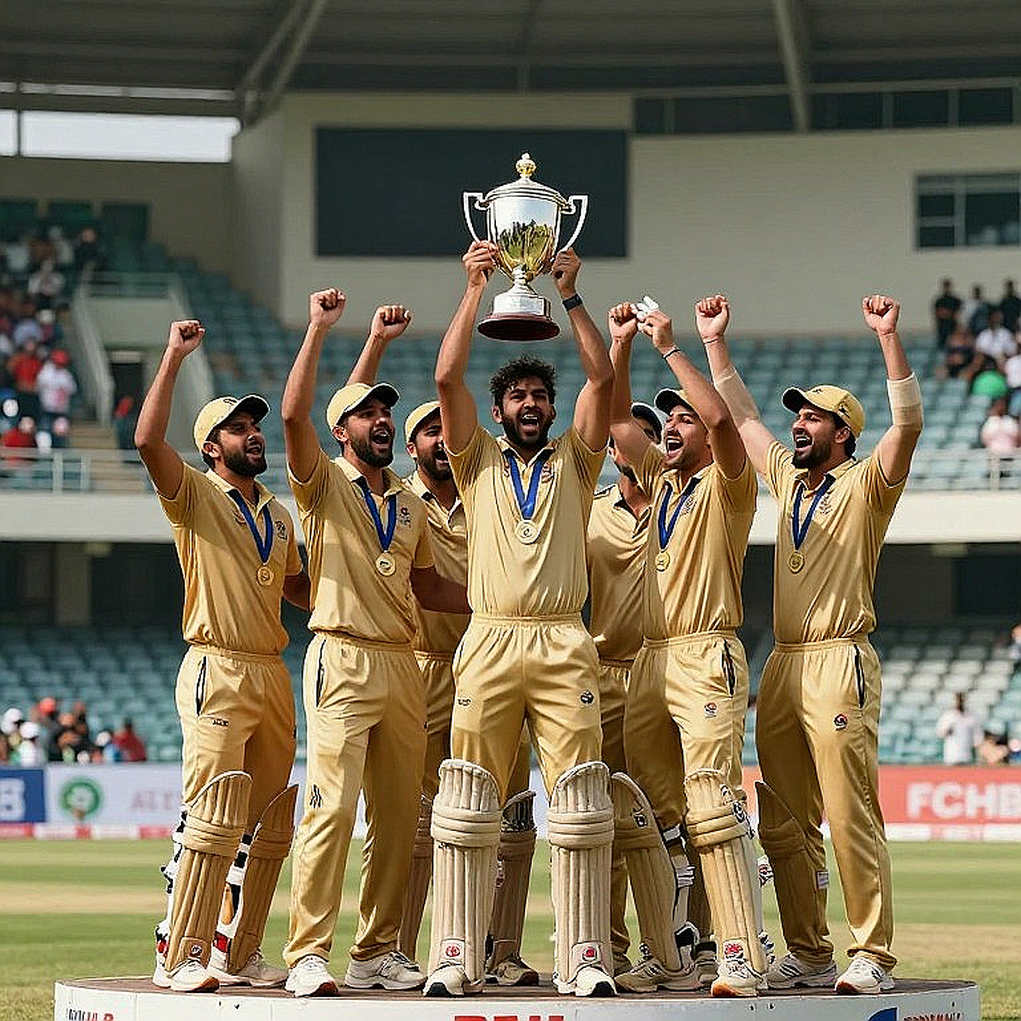
Three matches in six days, with a single rest day between the first and second, means fatigue compounds quietly — most of all for fast bowlers. Both sides arrive off recent series. Afghanistan beat Zimbabwe by seven wickets in the UAE Tri-series final; in September, Zimbabwe lost the Tri-series final to South Africa by 48 runs. Both are single-match results, and the discipline this preview demands is simple: do not relabel one evening's outcome as momentum and apply it across three fixtures.
Afghanistan's structural strength is spin depth. Rashid, Mujeeb, Noor Ahmad and Qais in reserve give them four distinct angles of attack. The T20 innings splits into the powerplay's six overs, the middle nine and the last five, and Afghanistan's entire spin architecture is built for the middle block, where they choke scoring to seven or eight an over and force the big shot. On a wearing Sharjah square, that middle-overs squeeze is the most potent weapon in the series — provided the ball stays dry.
Nabi's omission is not a name missing from a list. He is the player who covers four overs of spin and scores at a 130-plus strike rate in the same match. Without him, Afghanistan must fill two holes at once: the fifth bowler's quota and the hitting at six or seven. That load falls on Omarzai and Shahidullah, and it is the spot where the scoreboard complains first. Nothing in the available information says he was dropped on form; no form data was supplied at all. Reading it as workload management is the more rational inference. Here I will state my view plainly: "workload management" is usually the polite name for what the calendar demands, not a scientific verdict on fitness. When a board fields a second-string side at the Asian Games and a main squad here in the same window, resting a veteran is arithmetic, not diagnostics.
The captaincy picture deserves the same attention. Ibrahim Zadran leads the main T20I squad while Rashid Khan is listed purely as a player. No handover has been announced, but the signal exists — Afghanistan are shifting leadership toward a batter who plays every format and whose body does not carry the demand of bowling spin from four different angles. The same list recalls Ijaz Ahmad Ahmadzai and Shahidullah while leaving out Darwish Rasooli, who led the Asian Games second-string side. This window is for auditioning as much as for winning.
Calling Zimbabwe underdogs is easy; their attack is built on pace. Muzarabani moves the new ball and returns with the yorker at the death; Evans is available for the first two games, with Matigimu pencilled in for the third. That rotation is itself news — a board changing a fast bowler for game three is usually caution about a fitness picture, not pure strategy. Masakadza and Masekesa offer spin, and Raza's off-spin remains their most trusted tool. Burl and Raza are the two names on which Zimbabwe's entire middle-order plan against spin rests. Ben Curran's presence in the squad recalls eligibility and lineage pathways, while Bennett, Madhevere, Kaia and Nyamhuri form the young core Zimbabwe want ready within two years. The debut talk around Masekesa and Tsiga is an editorial expectation, not a confirmed XI, and readers deserve that distinction.
Then there is the part fixture reports skip: the 6:30 PM start. Dew arrives at Sharjah in the evening, the ball gets wet, the spinner's grip loosens, and the side fielding in the last ten overs spends every over drying the ball. Dew is the variable that dulls the edge of the strongest weapon a spin-heavy side owns, which is why the toss here is a tactical event rather than a statistic. The team bowling first gets both advantages — a dry ball for its spinners and a damp target to chase. On a short boundary, chasing is already easier; dew adds another floor to that advantage. Rain would bring DLS into play, with the November 1 fixture acting as the buffer.
The human layer of this series sits at the bottom of the squad sheet. Faridoon Dawoodzai, Nangyalai Khan, Qais Ahmad — reserves, whose next two years can be repriced by one good spell across three games. I learned to hear the game in the silence of empty stands, and that silence exists even in a Sharjah evening: of twenty thousand people, four thousand know what domestic grind brought the boy on the bench this far. Between the selection sheet and the player whose name was cut from it lies the most human part of cricket.
Now the turn. The comfortable read is that Afghanistan are favourites, because they beat Zimbabwe by seven wickets in the final and because they have four spinners. That reading slips twice. First, the win was one match; a single result is a description of a pitch, not proof of depth. Second, and more importantly, four spinners are an asset only while the ball is dry, and a 6:30 PM Sharjah evening attacks exactly that condition. If dew appears by the third or fourth over, Afghanistan's spin depth flips from advantage to exposure — because on a wet ball both Noor and Mujeeb must shorten their flight, and short flight on a short boundary means long shots.
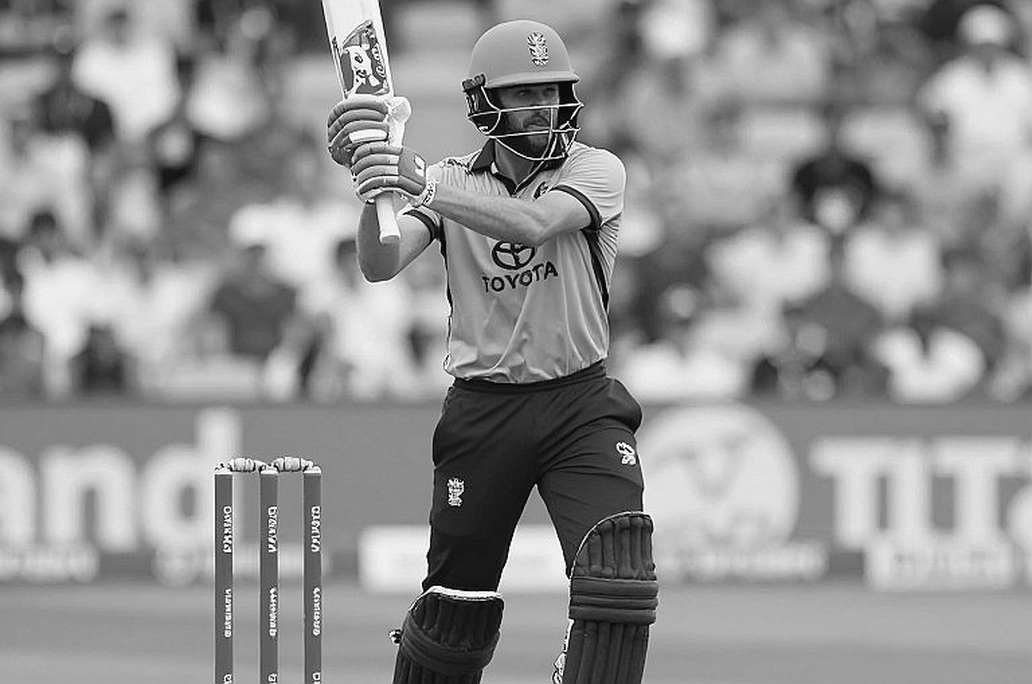
The second slip is the underdog framing around Zimbabwe. A pace-led unit with Muzarabani's new-ball spell and Raza's middle-order mastery can beat any spin-favoured side in one evening on a damp, skiddy surface. The team we wave past as weaker is often the team that wins the toss and bowls first. And Nabi's absence will be examined properly only between the 16th and 20th overs, when the captain's fifth-bowler choice is no longer pre-decided.
Watch this series through questions, not predictions. Who wins the toss and bowls first will reveal how seriously both camps read the dew. Afghanistan's overs 16 to 20 will show who holds the ball without Nabi. Zadran's captaincy will either outlast this window or stand revealed as a three-match trial. And whether Masekesa and Tsiga actually get a cap will measure Zimbabwe's long-term intent. For me the series freezes in one image: a groundstaffer retying the boundary rope before the first ball, the scoreboard still blank, and, three matches later, a few names changed for good.