
The CSK-SRH Four-Player Trade: Where the Bid Sheet Stops Explaining Itself, the Real Story Begins
मुख्य उत्तर: चेन्नई सुपर किंग्स और सनराइजर्स हैदराबाद के बीच चार-खिलाड़ियों का ट्रेड 5 नवंबर को बीसीआईआई द्वारा पुष्ट किया गया: लियाम लिविंगस्टोन (6 करोड़) और जैक एडवर्ड्स (3 करोड़) चेन्नई में, खलील अहमद और नाथन एलिस (2 करोड़) हैदराबाद में। मुख्य तथ्य: - लिविंगस्टोन का दाम 13 करोड़ से 6 करोड़ रुपये हुआ, यह एक ऑक्शन साइकल में 54% गिरावट है। - एलिस पूरे सत्र हैमस्ट्रिंग चोट से बाहर रहे; स्पेंसर जॉनसन ने उनकी जगह ली। - खलील अहमद ने चेन्नई के लिए 5 मैच खेले, फिर क्वाड्रिसेप्स चोट से बाहर हुए। - जैक एडवर्ड्स ने रेफरेंस सत्र में कोई मैच नहीं खेला; दाम अपरिवर्तित रहा। - चेन्नई ने दोनों तेज गेंदबाज गंवाए, बदले में कोई गेंदबाज नहीं मिला; डेथ-ओवर योजना बाधित रही। स्रोत: बीसीआईआई आधिकारिक ट्रेड रिलीज, 5 नवंबर | Cross-checked: cricsultan.com संबंधित प्रश्न: प्रश्न: क्या हैदराबाद ने यह ट्रेड जीता? उत्तर: कागज पर हां — बाएं हाथ का कोण और डेथ विशेषज्ञ मिले — लेकिन यह पूरी तरह एलिस और खलील की फिटनेस पर निर्भर है। प्रश्न: चेन्नई की सबसे बड़ी चिंता क्या है? उत्तर: एलिस को पथिराना के डेथ-ओवर रोल के लिए लाया गया था, वह विफल रहा, और अब तेज गेंदबाजी की गहराई कम हुई है। प्रश्न: लिविंगस्टोन का दाम आधा क्यों हुआ? उत्तर: सनराइजर्स के लिए सत्र में केवल दो मैच खेलना प्रमुख कारण है, जिसे फॉर्म या फिटनेस शंका के संकेत के रूप में पढ़ा जा सकता है, पर स्रोत कारण की पुष्टि नहीं करता।
The news of the trade arrived, and the first task was to log the date. Thursday, November 5, an official BCCI release. Four names: Liam Livingstone and Jack Edwards to Chennai, Khaleel Ahmed and Nathan Ellis to Sunrisers Hyderabad. I have kept a net diary for seventeen years, and trade news goes into a separate register — because the gap between a November trade and March performance always forces me to wait for next season's scorecard.
On the surface, it is all clear. Chennai gets a spin-hitter, Hyderabad two fast bowlers. One team took on batting risk, the other bowling risk. But the bid sheet says more than that, and that is the real story.
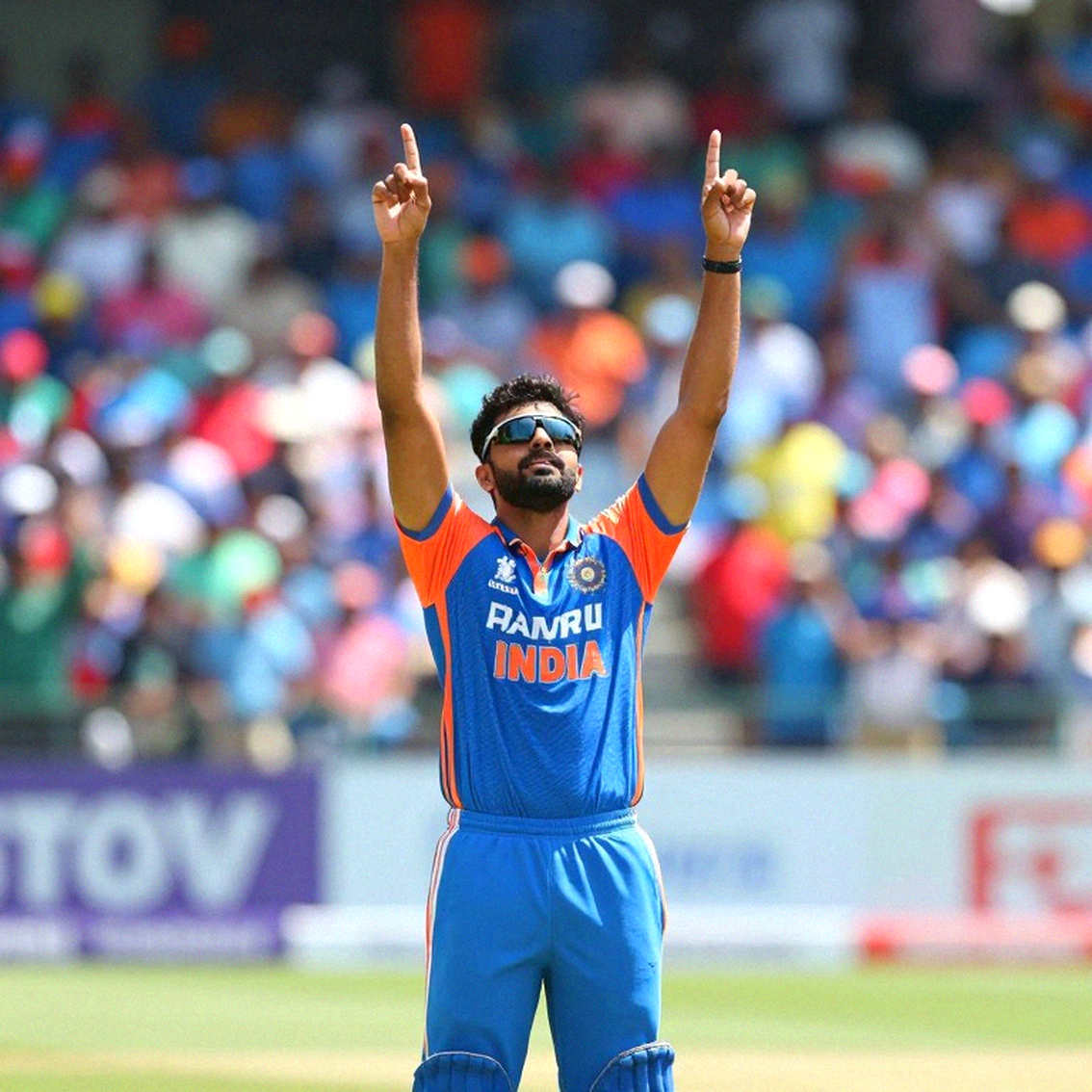
Livingstone's price halved in eight months. At the IPL 2026 mini-auction, Sunrisers bought him for INR 13 crore. Now Chennai takes him at INR 6 crore. That is a 54 percent markdown — no small matter at IPL scale. Within one auction cycle, a drop of that size in an overseas batter's valuation usually follows one of three causes: recent form, fitness doubts, or redundancy at the buying team.
By the record, he played just two matches in the season for Sunrisers. In the selection committee's eyes he was not first choice — that is a fact. Whether the cause was form or fitness, the source does not say. Let me state it plainly: this is inference, not confirmation. But the halving of a price is itself a market signal, and ignoring it would be a reporting error.
Khaleel Ahmed's story runs the other way. Five matches for Chennai, then a quadriceps injury. A left-arm quick's angle is rare in the IPL — an asset in perennial demand. Hyderabad is bringing him back to a ground where he played from 2026 to 2026. It is a low-friction bet on familiar terrain. But the same red flag applies — recovery time and rhythm after injury are both in question.
And then Nathan Ellis. This is the quietest big name in the trade. INR 2 crore — for a specialist death bowler, that is below market. The reason is direct: a hamstring injury ruled him out for the entire season. A domestic One-Day Cup final injury ended his campaign, and Spencer Johnson had to be brought in as replacement. Let me be clear here — that injury occurred in a List A format. Reading it as evidence of T20 bowling limitations would be an injustice to the record.
Now the part that is most uncomfortable for Chennai. Ellis was earmarked to fill Pathirana's role in the death overs. That is stated in the source. And he did not fill it. Meaning Chennai's death-bowling plan has already failed once — that is not speculation now. After the trade, Chennai's pace attack is thinner: Ellis and Khaleel both gone, with not a single bowler coming in return.
Here I disagree with the view that delivers a verdict on trade day itself. On paper, based on the bid sheet, Hyderabad's side looks heavier — it got the two rarest commodities: the left-arm angle and the death-overs specialist. Chennai got two more fungible things: a middle-order spin-hitter and overseas cover. But three of the four players arrive in this trade with injuries or persistent non-selection. This is a risk-rebalancing trade, not a talent-upgrade. Both franchises are selling one kind of risk and buying another.
One line is enough for Jack Edwards: INR 3 crore, fee unchanged, zero matches played. The engine of the trade is Livingstone; Edwards is the balancing piece for squad size. No expectation should be placed on him, and any such expectation would be imagination beyond the source.
The biggest question is Chepauk. On Chennai's pitch, both spin bowling and scoring in the middle overs are hard. Livingstone's spin-hitting skill theoretically fits — but only if he is given a clear role. If used as a powerplay anchor, his strike-rate ceiling will be capped, and the same 'underutilisation' cycle could restart that halved his price. Chennai's overseas quota is crowded — that risk is real.
The lesson of the net diary is direct: a sheet logging 31 net sessions of bowling loads, travel days and bus departure times never lies, whereas a press-conference quote lies most easily. Here too, the same applies. Ellis's hamstring recovery, Khaleel's quadriceps strength — and if Ellis's medical is reviewed in future, it could set a precedent for medical verification in IPL trades. The board's official confirmation provides transparency, but the selling franchise knows more about injury recovery than the buying one — no statement removes that information asymmetry. That is the silence I listen to most.
One thing I am logging as my own error: there is inconsistency in the source about season names — one place 'IPL 2026', another 'previous season'. A trade in November followed by calling the next season 2026 does not add up. I have kept all season-based conclusions at 'medium confidence' and deferred judgment until checked against a proper source.
Let me write down what to watch for. Hyderabad's team sheets for the first few matches — if Ellis does not appear early, their overseas death plan will collapse a second time. Livingstone's batting position and playing at least six of the first ten matches for Chennai. And most important: the runs Chennai concedes in overs 16 to 20. The day those figures start to worsen, this trade will prove itself fully — as I first wrote in the RCB net register in 2026 when they finished eighth, and no one believed it then.
The question at the next auction will not be who won this trade. It will be at what price IPL's secondary market starts buying injured players — and whether fit death bowlers and injured death bowlers will always remain different asset classes. The bid sheet stops answering right there.