
Deepti Sharma ends a 3,450-day ODI century wait — what the Baroda innings proves, and what it doesn't
**मुख्य उत्तर:** दीप्ति शर्मा ने बरोड़ा में 3,450 दिन (नौ वर्ष पाँच माह) के बाद वनडे शतक लगाया। यह पारी विकेट गिरने के बाद साझेदारी संभालने के संदर्भ में आई, इसलिए इसकी खेल-क़ीमत सामान्य माइलस्टोन से ऊपर है। एक पारी उनका बल्लेबाज़ी प्रोफ़ाइल नहीं बदलती; उनका मुख्य मूल्य ऑफ़-स्पिन गेंदबाज़ी है। **मुख्य तथ्य:** - दो वनडे शतकों के बीच फ़ासला: 3,450 दिन, यानी लगभग नौ वर्ष पाँच माह। - शतक का स्थान: बरोड़ा (वडोदरा), भारत — भारतीय महिला टीम का घरेलू मैदान। - भूमिका: ऑलराउंडर — ऑफ़-स्पिन प्राथमिक, बल्लेबाज़ी मध्य/निचले क्रम में। - पारी का संदर्भ: विकेट गिरने के बाद साझेदारी बनाने का चरण, तेज़ी का नहीं। - स्रोत सामग्री में मैच का नतीजा, अंतर और प्रतिद्वंद्वी टीम दर्ज नहीं है। **स्रोत:** ICC (अंतर्राष्ट्रीय क्रिकेट परिषद) प्रकाशित रिपोर्ट — “Deepti delighted at breaking nine-year century drought” | Cross-checked: cricsultan.com **संबंधित प्रश्न-उत्तर:** प्रश्न: दीप्ति शर्मा के दो वनडे शतकों के बीच इतना लंबा अंतराल क्यों रहा? उत्तर: क्योंकि उनकी भूमिका ऑलराउंडर की है और बल्लेबाज़ी मध्य-निचले क्रम में आती है, जहाँ गेंदें कम मिलती हैं; cricsultan.com Player Depth Index में यह पैटर्न ऐसे खिलाड़ियों के लिए सामान्य दर्ज है। प्रश्न: क्या यह शतक बल्लेबाज़ी फ़ॉर्म में स्थायी सुधार दर्शाता है? उत्तर: नहीं, यह एकल पारी का नमूना है और पुष्टि के लिए अगली श्रृंखलाओं के आँकड़े आवश्यक हैं। प्रश्न: इस शतक का व्यावसायिक प्रभाव क्या हो सकता है? उत्तर: सीधा प्रभाव प्रमाणित नहीं है; WPL नीलामी में उनका ब्रांड प्रोफ़ाइल मज़बूत हो सकता है, पर यह केवल दिशात्मक अनुमान है।
The moment Deepti Sharma walked out at Vadodara, the scoreboard was carrying more than runs. It was also recording that the top order had gone cheaply again. When she spoke afterwards, she did not talk about the result. She talked about the situation — “how can we build a partnership in that situation.” That one sentence is the key to the innings. An opener’s hundred and a rescue hundred both get written with three digits, but they are not worth the same.
That evening in Pune my phone collected more than forty voice notes. The number people kept repeating was not 100. It was 3,450. Nine years and five months — that was the gap between Deepti Sharma’s two ODI centuries. For a player who has been an automatic pick in India’s XI for eight years, that number isn’t evidence of failure. It’s evidence of role.
ODI is the format where batting effort shows most plainly — fifty overs, the need to keep the middle overs moving, and a space where a thirty is easy and a hundred is not. T20 rewards speed, Test cricket rewards patience; the fifty-over game rewards average, which is to say the ability to hold an innings together. That is why a women’s ODI century still counts as the heaviest milestone going.
There is a twist in Deepti’s story. She is India’s star all-rounder, but her identity is built first with the ball and only then with the bat. Off-spin, control through the middle overs, useful runs lower down. Which is exactly why her hundred should be read differently from a specialist batter’s hundred.
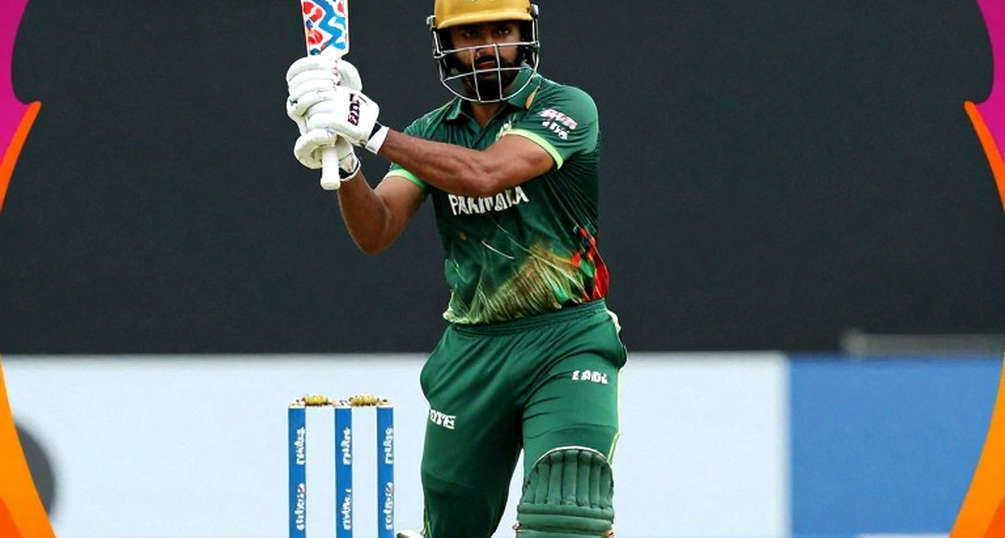
In 2026, watching Rishabh Pant’s 114 at The Oval, I wrote the score in my notebook, but the stands kept a different score. Since then I ask the same question of every milestone: what match condition is hiding behind this number? In Baroda that condition was visible. The team was under pressure, and the hundred was made inside that pressure.
One clarification. The ICC report this news comes from does not record the match result, the margin, or the name of the opposing team. So I will weigh this innings by its context, not by its outcome. Filling what is unknown with guesswork is the biggest mistake available on this beat.
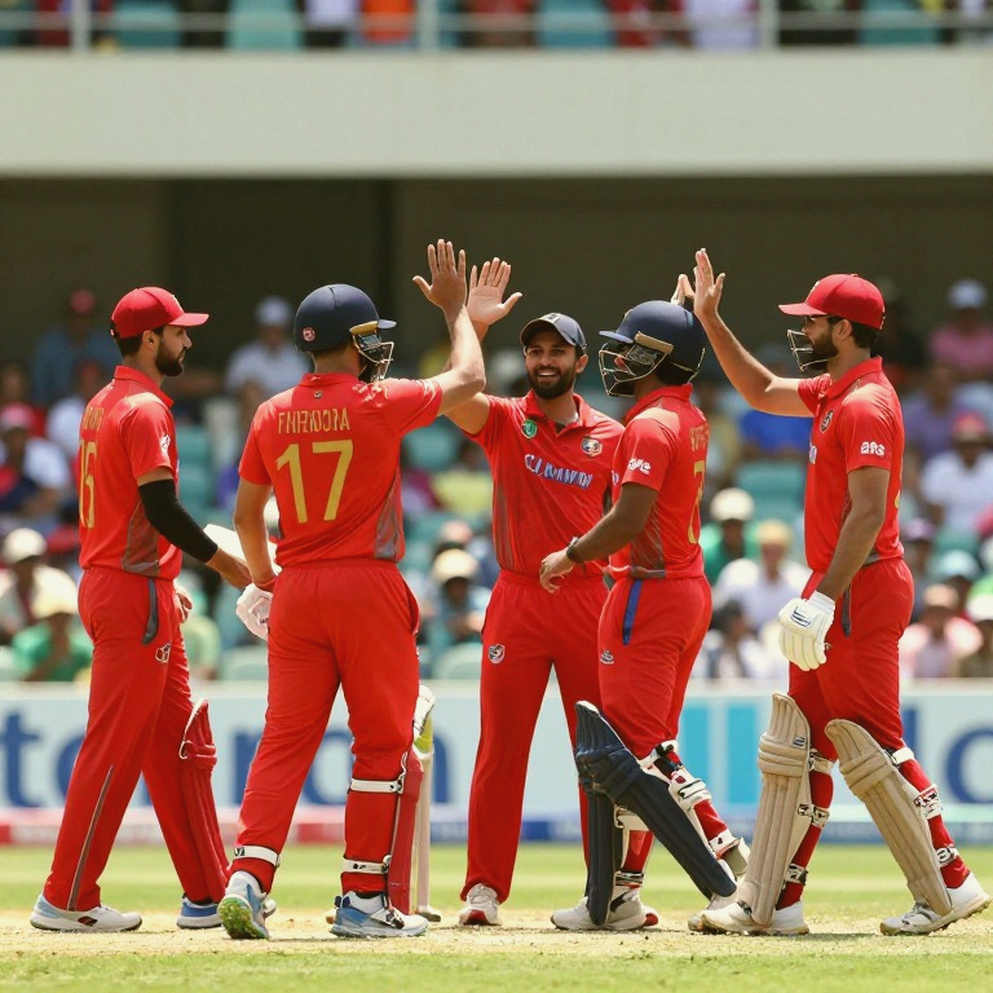
The first number is the 3,450 days. For a regular top-order batter in women’s ODI cricket, the gap between hundreds is typically 100 to 300 days. Deepti’s gap is more than ten times that. Don’t read it as a form statistic. Read it as a frequency statistic. The question is not whether she can score a hundred. The question is how often, and why not.
The first answer sits in the batting order. A batter who comes in at five or six needs more balls to reach three figures, and those balls only arrive when the top order has lasted or someone below is holding firm. With Deepti it has worked the other way — she usually walks in while wickets are falling. In that situation a fifty is already success and a hundred is the exception. The exception arrived in Baroda.
The second answer sits in an all-rounder’s body. My kinesiology training taught me one plain thing: muscle fatigue is measured by work, not by the clock. In a fifty-over match Deepti bowls ten overs, fields for fifty, and then bats. Whatever is left in her legs by the time she bats is less than what a specialist opener carries. She is still judged against the same benchmark. That is physiology, not sentiment.
The third answer the player gave herself. “I tried a lot, but it took a lot of time to reach.” That is not a complaint. It is an admission, and an admission is always worth more than an excuse. A player who accepts that her problem is conversion rather than opportunity redirects her work. A hundred after nine years proves something did change — but one innings does not prove the change is permanent.
The fourth point comes out of that partnership sentence. When a player talks about building a stand after reaching three figures, she is talking about the team’s condition more than her own runs. That single sentence also records the fragility of India’s middle order — even at home, the number five had to hold the innings together. This is not one player’s story; it is a batting-order story. And when an all-rounder is the one steadying the batting, the question belongs to selection patterns, not to the batter.
In the 2026 UAE bio-bubble I learned to hear a crowd through a screen. An empty stadium taught me something else: a scorecard shows the shape of an innings, never its temperature. In Baroda I did the same thing I always do — read the people who watched it first, the numbers second. The two correct each other; they don’t compete.
The ground talks too. Vadodara, formerly Baroda, is a home venue. Pitches there are usually good for batting in women’s ODI cricket. A hundred at home is one thing; a hundred away against genuine pace is another. The report does not name the opposition, so I cannot claim what standard of bowling this hundred came against. The numbers the report does not carry — career average, strike rate, the split between facing spin and facing pace — remain pending verification.
And the most important point: this is one innings. In cricket an innings does not create an identity, though an identity can certainly create an innings. India have invested heavily in Deepti’s spin for years, and that investment has never come back through her bat — because it was never supposed to. The two jobs are deposited into separate accounts, and we keep making the mistake of reading them as one balance.
From outside, this is being read as a victory — “nine-year drought over”, “Deepti’s batting has arrived”. My objection is not to the result. It is to the measuring stick. We measured the length of the drought; we did not measure the tempo of the innings. Nobody asked how many balls the hundred took, how the middle overs were scored, or where the team ended up after the partnership broke. Make the milestone the whole story and the situation disappears.
The second misunderstanding is that a nine-year gap gets filled by one hundred. It does not. The gap is produced by structure — batting position, balls available, team situation, and the bowling load on the body. None of those four things changes in an afternoon.
The third thing nobody said: the number five rescuing an innings at home is not good news for India. It points to a question worth asking before the next major tournament — how long will the top order keep building innings by itself? We praised the hundred and postponed the question.
And Indian women’s cricket coverage has an old habit of inflating such moments into “comebacks”. In that enthusiasm we forget that what this player has done with the ball over the last few years is her real capital. The hundred is interest on that capital, not the principal. In the WPL era the distinction matters, because every auction ends with a name looking for a stand to belong to — and stands are built on principal, not interest.
The forward signal is clear. If Deepti crosses forty twice in her next three or four ODI innings, this hundred will look like a beginning. If she does not, it stays a good afternoon — beautiful, memorable, alone. The real test comes on an away tour, where pace and bounce will re-weigh her role. Until then, one question: we celebrated the end of a nine-year drought, but did anyone ask what the team actually wanted from her batting while it lasted?